
Comparing Symptoms of Gout and Bunions

Gout is a form of inflammatory arthritis caused by uric acid crystals collecting inside a joint. It commonly targets the big toe, where an attack can cause sudden, intense pain. Gout attacks can begin at night, when cooler temperatures may encourage crystal formation in the extremities. Symptoms often develop quickly and can make walking or wearing shoes uncomfortable.

Gout develops when uric acid levels become too high and crystals form within a joint. Risk factors include family history, obesity, and diets high in purine-rich foods. Certain medications and alcohol use can raise uric acid levels. The big toe is especially vulnerable because it is one of the coolest joints in the body. Temperature changes can encourage uric acid crystals to collect there, triggering painful inflammation.


A bunion can affect the big toe, but it is different from gout. A bunion is a structural deformity where the big toe moves toward the other toes while the joint becomes prominent. Gout usually causes sudden attacks rather than a slowly developing bump. A podiatrist examines the foot and reviews your symptoms and health history. Blood tests or joint fluid testing may help confirm gout. Treatment may include medications, footwear changes, and strategies that reduce pressure during an attack.


Getting the correct diagnosis matters because gout and bunions require different treatment approaches. A podiatrist can help manage a gout attack and identify factors that may contribute to repeated episodes. Seek podiatric care when big toe pain appears suddenly or keeps returning, especially at night. If you have symptoms of gout, it is suggested that you are under the care of a podiatrist who can help you to manage this often debilitating condition.

Gout is a painful condition that can be treated. If you are seeking treatment, contact one of our podiatrists from North Florida Foot & Ankle Center. our doctors will treat your foot and ankle needs.

What Is Gout?

Gout is a form of arthritis that is characterized by sudden, severe attacks of pain, redness, and tenderness in the joints. The condition usually affects the joint at the base of the big toe. A gout attack can occur at any random time, such as the middle of the night while you are asleep.

Symptoms

  • Intense Joint Pain - Usually around the large joint of your big toe, and it most severe within the first four to twelve hours
  • Lingering Discomfort - Joint discomfort may last from a few days to a few weeks
  • Inflammation and Redness -Affected joints may become swollen, tender, warm and red
  • Limited Range of Motion - May experience a decrease in joint mobility

Risk Factors

  • Genetics - If family members have gout, you’re more likely to have it
  • Medications - Diuretic medications can raise uric acid levels
  • Gender/Age - Gout is more common in men until the age of 60. It is believed that estrogen protects women until that point
  • Diet - Eating red meat and shellfish increases your risk
  • Alcohol - Having more than two alcoholic drinks per day increases your risk
  • Obesity - Obese people are at a higher risk for gout

Prior to visiting your podiatrist to receive treatment for gout, there are a few things you should do beforehand. If you have gout you should write down your symptoms--including when they started and how often you experience them, important medical information you may have, and any questions you may have. Writing down these three things will help your podiatrist in assessing your specific situation so that he or she may provide the best route of treatment for you.

If you have any questions, please feel free to contact our office located in Ponte Vedra, FL . We offer the newest diagnostic and treatment technologies for all your foot care needs.

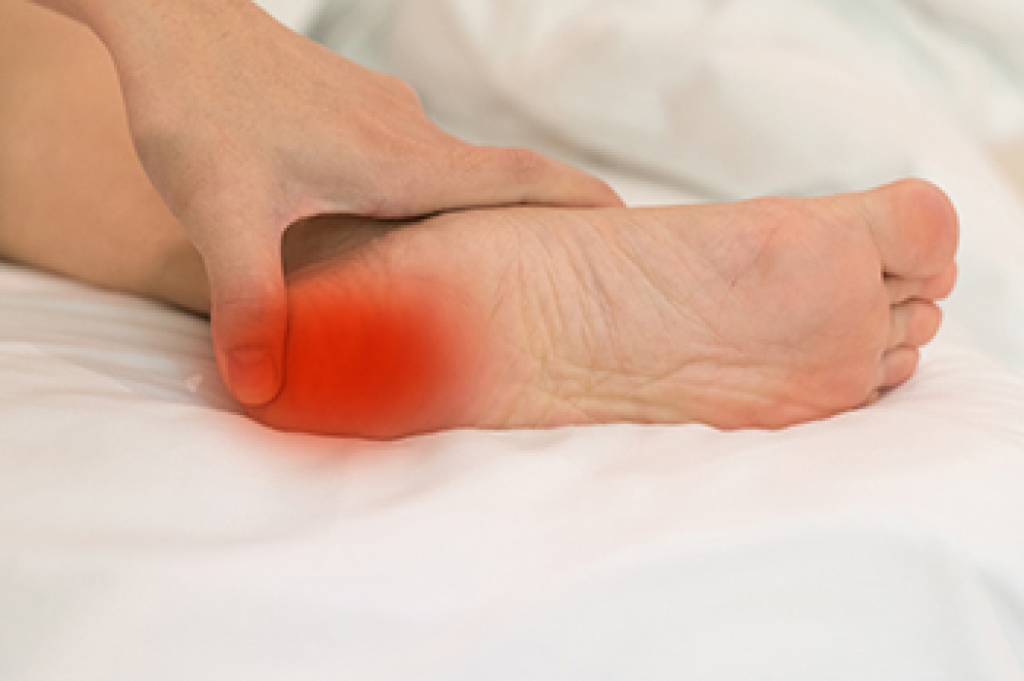
Read more about Gout

Dry and Split Skin From Cracked Heels

Cracked heels develop when the skin surrounding the heel becomes dry and begins to split. Shallow cracks can affect only the outer layer of skin and cause little discomfort. Deeper cracks can become painful and sometimes bleed. Dry skin is an important factor because skin that lacks moisture is less flexible and more likely to split under pressure. Aging can contribute because the skin loses moisture more easily as people get older. Athlete’s foot and eczema can also cause dry or irritated skin that increases the chance of heel cracking.

Certain vitamin deficiencies have also been linked with dry, cracked skin. Vitamin E helps protect skin cells and supports healthy skin. Vitamin B-3, also called niacin, helps the body turn food into energy and supports skin health. Severe vitamin B-3 deficiency can cause dry, scaly skin. Vitamin C supports collagen production, which helps give skin structure and strength. A serious vitamin C deficiency can contribute to dry skin and slow wound healing. However, deficiencies of these vitamins are considered rare in developed countries, so cracked heels do not necessarily indicate a nutritional problem.

A podiatrist can examine cracked heels and determine whether another foot or skin problem is contributing to the condition. An evaluation is especially important when cracks are deep, painful, or bleeding. Patients with diabetes or nerve damage should also have cracked heels evaluated because foot wounds can become more serious. A podiatrist can remove thickened skin safely and recommend treatment to protect damaged areas. Care can also address fungal infections or other conditions affecting the skin. Proper treatment can reduce discomfort and help protect the heels from further damage. If you have developed cracked heels, it is suggested that you schedule an appointment with a podiatrist for a diagnosis and appropriate treatment, which may include prescribed medication.

If the skin on your feet starts to crack, you may want to see a podiatrist to find treatment. If you have any concerns, contact one of our podiatrists from North Florida Foot & Ankle Center. our doctors can provide the care you need to keep you pain-free and on your feet.

Cracked Heels

It is important to moisturize your cracked heels in order to prevent pain, bleeding, and infection. The reason cracked heels form is because the skin on the foot is too dry to support the immense pressure placed on them. When the foot expands, the dry skin on the foot begins to split.

Ways to Help Heal Them

  • Invest in a good foot cream
  • Try Using Petroleum Jelly
  • Ease up on Soaps
  • Drink Plenty of Water

Ways to Prevent Cracked Heels

  • Moisturize After Showering
  • Skip a Shower
  • Keep Shower Water Lukewarm
  • Don’t Scrub Your Feet

If you are unsure how to proceed in treating cracked heels, seek guidance from a podiatrist. Your doctor will help you with any questions or information you may need. 

If you have any questions, please feel free to contact our office located in Ponte Vedra, FL . We offer the newest diagnostic and treatment technologies for all your foot care needs.
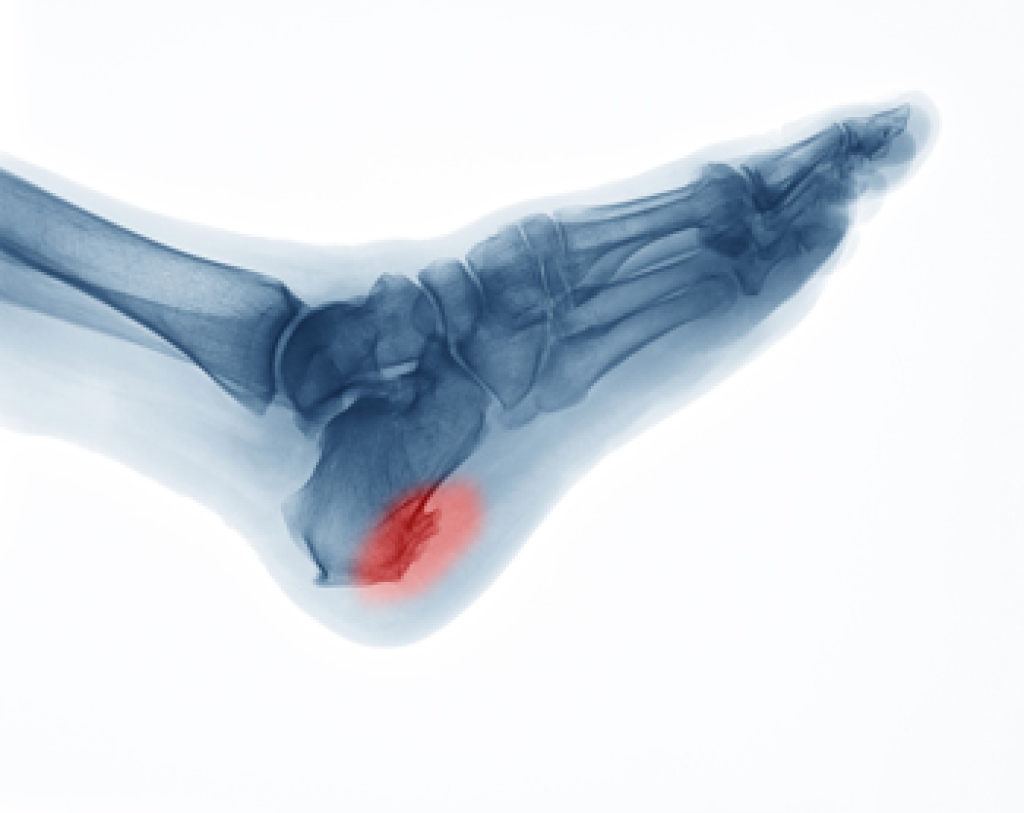
Read more about Solutions for Cracked Heels

What Causes Heel Pain?

Heel pain can make standing, walking, and everyday activities uncomfortable. Pain may occur underneath the heel, along the sides, or at the back where the Achilles tendon connects to the heel bone. Symptoms can range from a sharp or stabbing sensation to aching, or throbbing discomfort. Some people experience worse pain with their first steps in the morning or after sitting for an extended period of time. Swelling, stiffness, and difficulty putting weight on the foot may also develop.

Plantar fasciitis is one of the most common causes of heel pain. It develops when the plantar fascia, a strong band of tissue supporting the bottom of the foot, becomes irritated from repeated stress. Achilles tendon problems can cause pain and stiffness at the back of the heel, particularly after physical activity. Other possible causes include heel spurs, foot or ankle injuries, or wearing poorly fitting shoes. Additionally, sudden increases in exercise, prolonged standing, and walking on hard surfaces can place additional strain on the heel.


Several factors can increase the risk of heel pain. Age may contribute as tissues become less flexible and natural cushioning decreases. Running, jumping, and other high-impact activities can create repetitive stress. Excess weight can increase pressure on the heels during standing and walking. People who work on their feet for long periods may also experience greater strain. Morning heel pain is commonly associated with plantar fasciitis, while pain and stiffness behind the heel may indicate an Achilles tendon problem.


Identifying the cause of heel pain is important because treatment depends on the underlying condition. A podiatrist can examine your foot, assess walking mechanics, and determine whether imaging is needed. Treatment may include wearing supportive footwear, orthotics, and stretching. If heel pain affects your daily activities, it is suggested that you consult a podiatrist for an accurate diagnosis and appropriate treatment.

Many people suffer from bouts of heel pain. For more information, contact one of our podiatrists of North Florida Foot & Ankle Center. our doctors can provide the care you need to keep you pain-free and on your feet.

Causes of Heel Pain

Heel pain is often associated with plantar fasciitis. The plantar fascia is a band of tissues that extends along the bottom of the foot. A rip or tear in this ligament can cause inflammation of the tissue.

Achilles tendonitis is another cause of heel pain. Inflammation of the Achilles tendon will cause pain from fractures and muscle tearing. Lack of flexibility is also another symptom.

Heel spurs are another cause of pain. When the tissues of the plantar fascia undergo a great deal of stress, it can lead to ligament separation from the heel bone, causing heel spurs.

Why Might Heel Pain Occur?

  • Wearing ill-fitting shoes                
  • Wearing non-supportive shoes
  • Weight change           
  • Excessive running

Treatments

Heel pain should be treated as soon as possible for immediate results. Keeping your feet in a stress-free environment will help. If you suffer from Achilles tendonitis or plantar fasciitis, applying ice will reduce the swelling. Stretching before an exercise like running will help the muscles. Using all these tips will help make heel pain a condition of the past.

If you have any questions, please feel free to contact our office located in Ponte Vedra, FL . We offer the newest diagnostic and treatment technologies for all your foot care needs.

Read more about Heel Pain

Heel Spurs Explained

Heel spurs are bony growths that develop on the underside of the heel bone, often forming gradually due to repeated stress and strain on the foot. These calcium deposits can extend forward from the heel and may be associated with conditions such as plantar fasciitis. While some heel spurs do not cause symptoms, others lead to significant discomfort and inflammation. Understanding what heel spurs are and how they develop is essential for managing heel pain and maintaining proper foot function.

The most common symptom of a heel spur is pain at the bottom of the heel, especially during the first steps in the morning or after long periods of rest. This pain is often described as sharp or stabbing, and it may improve slightly with movement before returning after prolonged standing or walking. Inflammation, swelling, and tenderness in the heel area may also occur. Some individuals experience a deep aching sensation due to irritation of surrounding soft tissue. Heel bruising can worsen symptoms and make daily activities more difficult.


Heel spurs are commonly caused by repetitive strain on the foot, particularly from activities that place excessive pressure on the heel. Risk factors include being overweight, wearing poorly supportive footwear, and having abnormal foot mechanics such as flat feet or high arches. Arthritis and chronic inflammation can also contribute to spur formation. Athletes, runners, and individuals who stand for long periods are more prone to developing heel spurs due to repetitive stress on the plantar fascia and heel bone. Treatment for heel spurs focuses on reducing pain and inflammation while addressing the underlying cause. Conservative options include stretching exercises, wearing supportive shoes, custom orthotics, and anti-inflammatory medications. Early intervention can help prevent worsening symptoms and improve mobility. If you have heel pain or symptoms of heel spurs, it is suggested that you consult a podiatrist for an accurate diagnosis and appropriate treatment.

Heel spurs can be incredibly painful and sometimes may make you unable to participate in physical activities. To get medical care for your heel spurs, contact one of our podiatrists from North Florida Foot & Ankle Center. our doctors will do everything possible to treat your condition.

Heels Spurs

Heel spurs are formed by calcium deposits on the back of the foot where the heel is. This can also be caused by small fragments of bone breaking off one section of the foot, attaching onto the back of the foot. Heel spurs can also be bone growth on the back of the foot and may grow in the direction of the arch of the foot.

Older individuals usually suffer from heel spurs and pain sometimes intensifies with age. One of the main condition's spurs are related to is plantar fasciitis.

Pain

The pain associated with spurs is often because of weight placed on the feet. When someone is walking, their entire weight is concentrated on the feet. Bone spurs then have the tendency to affect other bones and tissues around the foot. As the pain continues, the feet will become tender and sensitive over time.

Treatments

There are many ways to treat heel spurs. If one is suffering from heel spurs in conjunction with pain, there are several methods for healing. Medication, surgery, and herbal care are some options.

If you have any questions, please feel free to contact our office located in Ponte Vedra, FL . We offer the newest diagnostic and treatment technologies for all your foot care needs.

Read more about How to Treat Heel Spurs

Get Proper Treatment for Ankle Injuries

If you're experiencing ankle pain, you may be suffering from an ankle injury. Sprains, fractures, Achilles tendonitis, and Achilles tendon ruptures are just some examples of potential ankle injuries. Don't wait for care for an ankle injury, as it may worsen over time. We can help!

scroll to top
Like Us on Facebook Follow us on X Follow us Instagram Review Us on Google Follow Us on Youtube Follow Us on Tiktok