
Heel Spurs Explained

Heel spurs are bony growths that develop on the underside of the heel bone, often forming gradually due to repeated stress and strain on the foot. These calcium deposits can extend forward from the heel and may be associated with conditions such as plantar fasciitis. While some heel spurs do not cause symptoms, others lead to significant discomfort and inflammation. Understanding what heel spurs are and how they develop is essential for managing heel pain and maintaining proper foot function.

The most common symptom of a heel spur is pain at the bottom of the heel, especially during the first steps in the morning or after long periods of rest. This pain is often described as sharp or stabbing, and it may improve slightly with movement before returning after prolonged standing or walking. Inflammation, swelling, and tenderness in the heel area may also occur. Some individuals experience a deep aching sensation due to irritation of surrounding soft tissue. Heel bruising can worsen symptoms and make daily activities more difficult.


Heel spurs are commonly caused by repetitive strain on the foot, particularly from activities that place excessive pressure on the heel. Risk factors include being overweight, wearing poorly supportive footwear, and having abnormal foot mechanics such as flat feet or high arches. Arthritis and chronic inflammation can also contribute to spur formation. Athletes, runners, and individuals who stand for long periods are more prone to developing heel spurs due to repetitive stress on the plantar fascia and heel bone. Treatment for heel spurs focuses on reducing pain and inflammation while addressing the underlying cause. Conservative options include stretching exercises, wearing supportive shoes, custom orthotics, and anti-inflammatory medications. Early intervention can help prevent worsening symptoms and improve mobility. If you have heel pain or symptoms of heel spurs, it is suggested that you consult a podiatrist for an accurate diagnosis and appropriate treatment.

Heel spurs can be incredibly painful and sometimes may make you unable to participate in physical activities. To get medical care for your heel spurs, contact one of our podiatrists from North Florida Foot & Ankle Center. our doctors will do everything possible to treat your condition.

Heels Spurs

Heel spurs are formed by calcium deposits on the back of the foot where the heel is. This can also be caused by small fragments of bone breaking off one section of the foot, attaching onto the back of the foot. Heel spurs can also be bone growth on the back of the foot and may grow in the direction of the arch of the foot.

Older individuals usually suffer from heel spurs and pain sometimes intensifies with age. One of the main condition's spurs are related to is plantar fasciitis.

Pain

The pain associated with spurs is often because of weight placed on the feet. When someone is walking, their entire weight is concentrated on the feet. Bone spurs then have the tendency to affect other bones and tissues around the foot. As the pain continues, the feet will become tender and sensitive over time.

Treatments

There are many ways to treat heel spurs. If one is suffering from heel spurs in conjunction with pain, there are several methods for healing. Medication, surgery, and herbal care are some options.

If you have any questions, please feel free to contact our office located in Ponte Vedra, FL . We offer the newest diagnostic and treatment technologies for all your foot care needs.

Read more about How to Treat Heel Spurs

Get Proper Treatment for Ankle Injuries

If you're experiencing ankle pain, you may be suffering from an ankle injury. Sprains, fractures, Achilles tendonitis, and Achilles tendon ruptures are just some examples of potential ankle injuries. Don't wait for care for an ankle injury, as it may worsen over time. We can help!

What Happens When You Sprain Your Ankle?

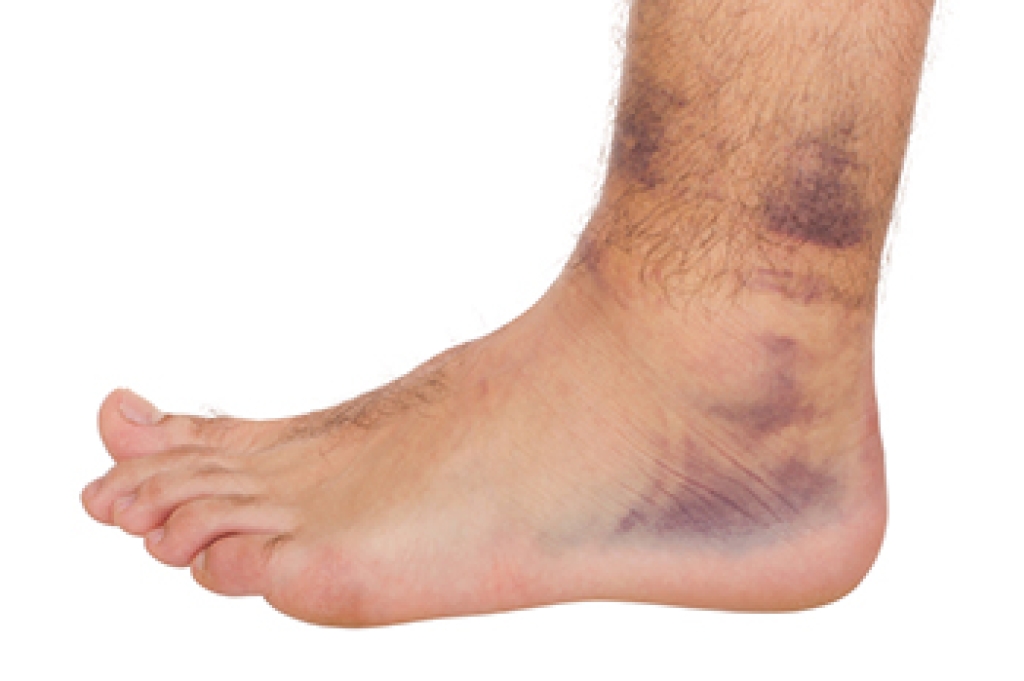
An ankle sprain occurs when the foot twists, rolls, or turns beyond its normal range and stretches the ligaments that support the ankle. Ligaments are bands of tissue that help hold the ankle joint in position. A sprain can happen during sports or after a step on an uneven surface. The force of landing with the foot at an awkward angle can stretch or tear these tissues. Pain and swelling can develop quickly. Some patients hear a pop at the time of injury. A severe sprain can also make bearing  weight difficult.

Ankle sprains are graded according to the amount of ligament damage. A grade 1 sprain involves mild stretching and limited damage. Grade 2 involves a partial tear and can cause reduced movement, while a grade 3 involves a complete ligament tear and can make the ankle unstable. Pain, swelling, and bruising can help show how serious the injury is. A broken bone can produce similar symptoms, so determining the exact cause matters. Repeated sprains can lead to chronic pain or a feeling that the ankle gives way.

A podiatrist can examine the injured ankle, check its movement, and determine which ligaments are affected. X-rays can help rule out a fracture when symptoms make the injuries difficult to distinguish. Treatment depends on the grade of the sprain and the stability of the ankle. A podiatrist can also check for joint damage after a serious sprain. A podiatrist can provide immobilization and supportive devices to protect the injured tissues while they heal. Proper treatment also helps reduce the risk of repeated sprains and long-term instability. If you have sprained an ankle, it is suggested that you schedule an appointment with a podiatrist for effective relief and treatment solutions..

Ankle sprains are common but need immediate attention. If you need your feet checked, contact one of our podiatrists from North Florida Foot & Ankle Center. our doctors can provide the care you need to keep you pain-free and on your feet.

How Does an Ankle Sprain Occur?

Ankle sprains take place when the ligaments in your ankle are torn or stretched beyond their limits. There are multiple ways that the ankle can become injured, including twisting or rolling over onto your ankle, putting undue stress on it, or causing trauma to the ankle itself.

What Are the Symptoms?

  • Mild to moderate bruising
  • Limited mobility
  • Swelling
  • Discoloration of the skin (depending on severity)

Preventing a Sprain

  • Wearing appropriate shoes for the occasion
  • Stretching before exercises and sports
  • Knowing your limits

Treatment of a Sprain

Treatment of a sprain depends on the severity.  Many times, people are told to rest and remain off their feet completely, while others are given an air cast. If the sprain is very severe, surgery may be required.

If you have suffered an ankle sprain previously, you may want to consider additional support such as a brace and regular exercises to strengthen the ankle.

If you have any questions please feel free to contact our office located in Ponte Vedra, FL . We offer the newest diagnostic tools and technology to treat your foot and ankle needs.

Read more about Three Grades of Ankle Sprains

When to See a Podiatrist for Achilles Tendon Pain

Achilles tendinopathy is a common cause of pain near the back of the ankle and heel. The Achilles tendon is a strong band of tissue connecting the calf muscles to the heel bone. It plays an important role in walking, running, and pushing the foot off the ground. Achilles tendinopathy develops when the tendon becomes irritated or changes from repeated stress. Pain may occur where the tendon attaches to the heel or farther up the tendon. Common symptoms include aching, stiffness, and tenderness. The tendon may also become swollen or thickened as the condition progresses.


Achilles tendon pain often develops gradually rather than after a single injury. Repeated strain from running, jumping, or other demanding activities can place added stress on the tendon. Limited ankle movement and certain foot mechanics may also contribute. Pain may become more noticeable during activity or when pressure is placed on the affected area. As symptoms worsen, walking and other movements may become uncomfortable. Achilles tendinopathy differs from an Achilles tendon rupture, which involves a partial or complete tear. Sudden severe pain, weakness, or difficulty walking should receive prompt professional evaluation to determine whether a serious tendon injury has occurred.


A podiatrist can evaluate Achilles tendon pain and determine which factors may be contributing to the condition. An examination may include checking the tendon for tenderness or swelling and assessing foot and ankle movement. Imaging may be recommended when more information is needed. Treatment depends on the location and severity of the Achilles tendon problem. A podiatrist can develop an individualized treatment plan focused on reducing tendon stress, improving foot and ankle function, and supporting recovery. Professional care can also help address movement problems that may contribute to continued discomfort. If persistent Achilles pain, stiffness, or swelling is affecting your ability to walk comfortably, it is suggested that you consult a podiatrist for an evaluation and appropriate treatment options.

Achilles tendon injuries need immediate attention to avoid future complications. If you have any concerns, contact one of our podiatrists of North Florida Foot & Ankle Center. our doctors can provide the care you need to keep you pain-free and on your feet.

What Is the Achilles Tendon?

The Achilles tendon is a tendon that connects the lower leg muscles and calf to the heel of the foot. It is the strongest tendon in the human body and is essential for making movement possible. Because this tendon is such an integral part of the body, any injuries to it can create immense difficulties and should immediately be presented to a doctor.

What Are the Symptoms of an Achilles Tendon Injury?

There are various types of injuries that can affect the Achilles tendon. The two most common injuries are Achilles tendinitis and ruptures of the tendon.

Achilles Tendinitis Symptoms

  • Inflammation
  • Dull to severe pain
  • Increased blood flow to the tendon
  • Thickening of the tendon

Rupture Symptoms

  • Extreme pain and swelling in the foot
  • Total immobility

Treatment and Prevention

Achilles tendon injuries are diagnosed by a thorough physical evaluation, which can include an MRI. Treatment involves rest, physical therapy, and in some cases, surgery. However, various preventative measures can be taken to avoid these injuries, such as:

  • Thorough stretching of the tendon before and after exercise
  • Strengthening exercises like calf raises, squats, leg curls, leg extensions, leg raises, lunges, and leg presses

If you have any questions please feel free to contact our office located in Ponte Vedra, FL . We offer the newest diagnostic tools and technology to treat your foot and ankle needs.

Read more about Achilles Tendon Injuries

Diabetic Foot Pain and Its Impact on Daily Life

Diabetic foot pain is a common complication of diabetes that affects the nerves, blood flow, and overall structure of the feet. It develops when high blood sugar levels begin to damage the nerves and blood vessels that support healthy foot function. This condition is often linked to diabetic neuropathy, where nerve damage leads to reduced sensation and abnormal pain signals. Poor circulation also plays a major role, as it limits the delivery of oxygen and nutrients needed to keep tissues healthy and resilient.

Symptoms of diabetic foot pain vary from mild discomfort to severe and persistent pain that interferes with daily activities. Many individuals experience numbness, tingling, or a burning sensation in the feet. Others may notice stiff joints, reduced flexibility, or sharp pains that occur even while resting. Loss of sensation can make it difficult to detect injuries, which increases the risk of infections, ulcers, and long-term complications. Swelling, dry skin, and slow-healing wounds are also common signs that should not be ignored.


Several underlying causes contribute to diabetic foot pain. High blood sugar levels damage nerves over time, leading to neuropathy and altered pain perception. Poor circulation reduces blood flow to the lower extremities, which can result in tissue breakdown and delayed healing. These combined effects create an environment where even minor foot problems can become serious, if left untreated. Risk factors include long-standing diabetes and poor blood sugar control. Smoking, obesity, and lack of regular foot care are other factors.


Managing diabetic foot pain requires a comprehensive approach that focuses on controlling blood sugar levels and protecting foot health. Wearing supportive footwear, proper hygiene, and regular foot inspections can help reduce complications. A podiatrist can provide advanced care, including custom orthotics, wound management, and guidance on preventing further damage. If you are experiencing foot pain from diabetes, it is strongly suggested that you are under the care of a podiatrist who can help you to manage this serious condition. 

Foot Pain

Foot pain can be extremely painful and debilitating. If you have a foot pain, consult with one of our podiatrists from North Florida Foot & Ankle Center. our doctors will assess your condition and provide you with quality foot and ankle treatment.

Causes

Foot pain is a very broad condition that could be caused by one or more ailments. The most common include:

  • Bunions
  • Hammertoes
  • Plantar Fasciitis
  • Bone Spurs
  • Corns
  • Tarsal Tunnel Syndrome
  • Ingrown Toenails
  • Arthritis (such as Gout, Rheumatoid, and Osteoarthritis)
  • Flat Feet
  • Injury (from stress fractures, broken toe, foot, ankle, Achilles tendon ruptures, and sprains)
  • And more

Diagnosis

To figure out the cause of foot pain, podiatrists utilize several different methods. This can range from simple visual inspections and sensation tests to X-rays and MRI scans. Prior medical history, family medical history, and any recent physical traumatic events will all be taken into consideration for a proper diagnosis.

Treatment

Treatment depends upon the cause of the foot pain. Whether it is resting, staying off the foot, or having surgery; podiatrists have a number of treatment options available for foot pain.

If you have any questions, please feel free to contact our office located in Ponte Vedra, FL . We offer the newest diagnostic and treatment technologies for all your foot care needs.

Read more about Foot Pain
scroll to top
Like Us on Facebook Follow us on X Follow us Instagram Review Us on Google Follow Us on Youtube Follow Us on Tiktok