Prevention of Foot Stress Fractures for Active Lifestyles

A foot stress fracture is a small crack in one of the bones of the foot caused by repeated stress over time. Unlike a sudden break from a major injury, stress fractures usually develop gradually from repetitive trauma and increased pressure on the bones. They commonly affect athletes, runners, and individuals who increase activity levels too quickly. When bones do not have enough time to recover between activities, tiny cracks can form and worsen. Understanding the causes and warning signs of stress fractures is important for preventing more serious injuries.

Symptoms of a foot stress fracture often include localized pain that develops during activity and improves with rest in the early stages. As the injury progresses, pain may become more constant and affect daily walking. Swelling, tenderness, and sensitivity when pressing on the affected area are also common. Some individuals notice difficulty bearing weight or a change in their activity level due to discomfort. Unlike general soreness, stress fracture pain usually becomes more noticeable with continued activity and should not be ignored.


Several risk factors increase the likelihood of developing foot stress fractures. High-impact sports such as running, basketball, and gymnastics place repeated stress on the bones. Increasing training frequency too quickly or exercising without enough recovery time can contribute to injury. Irregular running surfaces may create uneven pressure throughout the foot. Additional risk factors include poor physical health, low bone density, and female gender, especially when bone strength is affected by nutritional or hormonal factors. These conditions can reduce the ability of bones to handle repeated impact.


Preventing foot stress fractures requires gradual training increases, wearing proper footwear, and adequate recovery between activities. Maintaining strong bones through proper nutrition and healthy lifestyle habits can also reduce risk. If you have developed a foot stress fracture, it is suggested that you consult a podiatrist for effective relief and treatment solutions.

Activities where too much pressure is put on the feet can cause stress fractures. To learn more, contact one of our podiatrists from North Florida Foot & Ankle Center. our doctors can provide the care you need to keep your pain free and on your feet.

Dealing with Stress Fractures of the Foot and Ankle

Stress fractures occur in the foot and ankle when muscles in these areas weaken from too much or too little use.  The feet and ankles then lose support when walking or running from the impact of the ground. Since there is no protection, the bones receive the full impact of each step. Stress on the feet can cause cracks to form in the bones, thus creating stress fractures.

What Are Stress Fractures?

Stress fractures occur frequently in individuals whose daily activities cause great impact on the feet and ankles. Stress factors are most common among:

  • Runners                                
  • People affected with Osteoporosis
  • Tennis or basketball players
  • Gymnasts
  • High impact workouts

Symptoms

Pain from the fractures occur in the area of the fractures and can be constant or intermittent. It will often cause sharp or dull pain with swelling and tenderness. Engaging in any kind of activity which involves high impact will aggravate pain.

If you have any questions please contact our office located in Ponte Vedra, FL . We offer the newest diagnostic and treatment technologies for all your foot and ankle needs.

Read more about Dealing with Stress Fractures of the Foot and Ankle

Inspect Your Feet Regularly for Abnormalities if You're Diabetic

Diabetic patients often have decreased sensitivity in their feet, which makes a visual inspection of the feet even more important. If you're diabetic, having periodic screenings is extremely important for maintaining the overall health of your feet. 

Heel Pain May Indicate Plantar Fasciitis

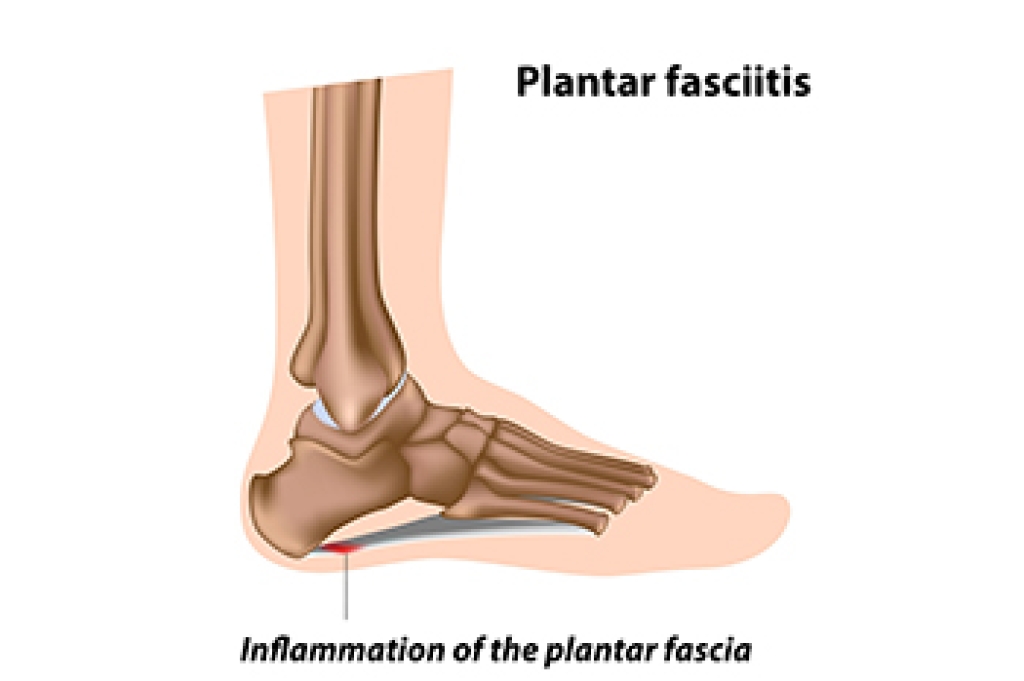
Plantar fasciitis is a common cause of heel pain that affects the thick band of tissue called the plantar fascia. This tissue runs along the bottom of the foot and supports the arch. The condition develops when the plantar fascia becomes irritated or inflamed due to repeated stress. It is often seen in individuals who spend long hours standing or walking. Understanding the definition and causes of plantar fasciitis can help individuals take early steps toward relief and prevention.

Symptoms of plantar fasciitis typically include sharp heel pain, especially with the first steps in the morning. The pain may decrease with movement, but can return after long periods of standing or activity. Some individuals notice stiffness along the bottom of the foot or a burning sensation near the heel. Tenderness when pressing on the heel is also common. These symptoms can interfere with daily routines and reduce mobility if not managed properly.


Several risk factors increase the likelihood of developing plantar fasciitis. Flat feet, high arches, and improper foot alignment can place added strain on the plantar fascia. Wearing unsupportive shoes or shoes with poor cushioning can worsen the condition. Other contributing factors include obesity, tight calf muscles, and sudden increases in physical activity. Repetitive stress on hard surfaces can also lead to inflammation and discomfort over time.


Managing plantar fasciitis involves reducing stress on the foot and supporting proper alignment. Wearing supportive shoes with good arch support and cushioning can help relieve pressure. Stretching exercises for the calf and foot may improve flexibility and reduce strain. Rest and gradual return to activity can support healing. Early care can prevent chronic pain and improve function. If you have heel pain, it is strongly suggested that you consult a podiatrist who can accurately diagnose and treat plantar fasciitis.

Plantar fasciitis can be very painful and inconvenient. If you are experiencing heel pain or symptoms of plantar fasciitis, contact one of our podiatrists  from North Florida Foot & Ankle Center. our doctors can provide the care you need to keep you pain-free and on your feet.

What Is Plantar Fasciitis?

Plantar fasciitis is the inflammation of the thick band of tissue that runs along the bottom of your foot, known as the plantar fascia, and causes mild to severe heel pain.

What Causes Plantar Fasciitis?

  • Excessive running
  • Non-supportive shoes
  • Overpronation
  • Repeated stretching and tearing of the plantar fascia

How Can It Be Treated?

  • Conservative measures – anti-inflammatories, ice packs, stretching exercises, physical therapy, orthotic devices
  • Shockwave therapy – sound waves are sent to the affected area to facilitate healing and are usually used for chronic cases of plantar fasciitis
  • Surgery – usually only used as a last resort when all else fails. The plantar fascia can be surgically detached from the heel

While very treatable, plantar fasciitis is definitely not something that should be ignored. Especially in severe cases, speaking to your doctor right away is highly recommended to avoid complications and severe heel pain. Your podiatrist can work with you to provide the appropriate treatment options tailored to your condition.

If you have any questions, please feel free to contact our office located in Ponte Vedra, FL . We offer the newest diagnostic and treatment technologies for all your foot care needs.

Read more about Plantar Fasciitis

Flat Feet Causes and Long-Term Foot Health

Flat feet, often referred to as fallen arches, occur when the arches of the feet are low or absent, allowing the entire sole to make contact with the ground. This condition can be present at birth or develop gradually. It affects both children and adults and may influence posture and movement. In infants and toddlers, flat feet are considered a normal stage of development because the arch has not yet formed. As growth continues, the arch usually develops, although some individuals retain a low arch due to structural or genetic factors.

Several causes contribute to flat feet. Loose or weakened tendons and ligaments may not provide enough support to maintain the arch. Genetic influence is also significant, as inherited foot structure can determine arch height. Additional factors such as injury, repetitive stress, and prolonged standing may weaken supportive tissues over time. These changes can place increased pressure on the feet and alter overall alignment, especially during weight-bearing activities.

Symptoms commonly include achy feet, fatigue, and discomfort that worsens after extended periods of walking or standing. Some individuals notice a change in gait, where the feet roll inward during movement. This altered pattern can lead to uneven weight distribution and increased strain on the ankles, knees, and lower back. Eventually, untreated symptoms can contribute to further discomfort and reduced mobility.

Risk factors include obesity, aging, previous foot injuries, and occupations that require long hours on the feet. Without proper support, symptoms may progress and interfere with daily activities. Management often includes wearing supportive footwear, custom orthotics, and strengthening exercises that promote stability. Podiatric care can help improve alignment and reduce strain on the feet. If you have flat feet that are painful, it is suggested that you consult a podiatrist for an accurate diagnosis and effective relief and management tips.

Flatfoot is a condition many people suffer from. If you have flat feet, contact one of our podiatrists from North Florida Foot & Ankle Center. our doctors will treat your foot and ankle needs.

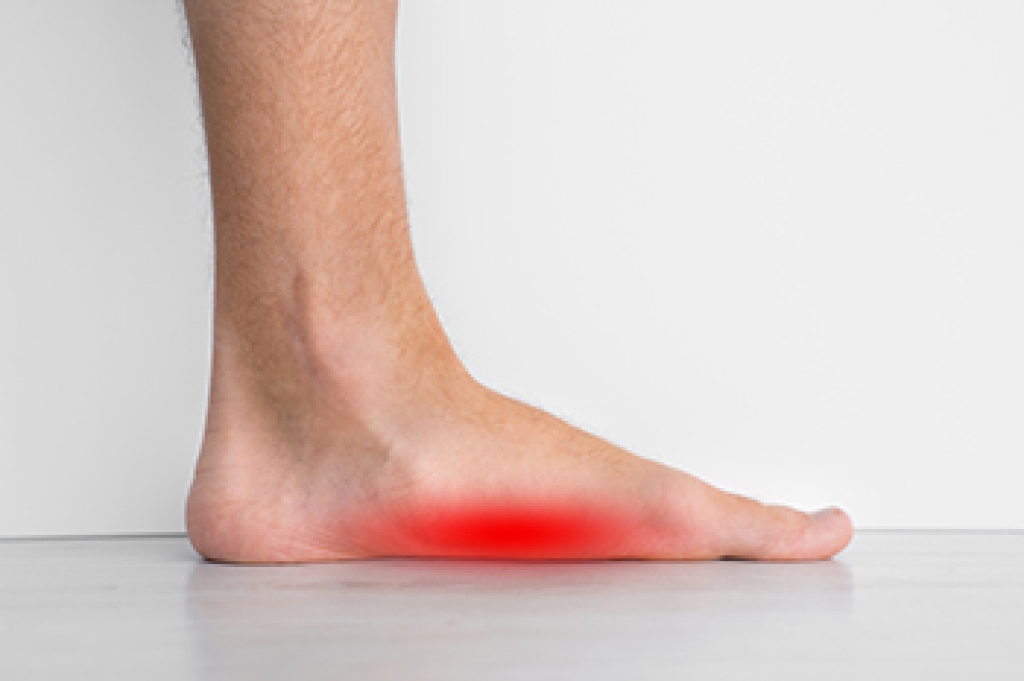
What Are Flat Feet?

Flatfoot is a condition in which the arch of the foot is depressed and the sole of the foot is almost completely in contact with the ground. About 20-30% of the population generally has flat feet because their arches never formed during growth.

Conditions & Problems:

Having flat feet makes it difficult to run or walk because of the stress placed on the ankles.

Alignment – The general alignment of your legs can be disrupted, because the ankles move inward which can cause major discomfort.

Knees – If you have complications with your knees, flat feet can be a contributor to arthritis in that area.  

Symptoms

  • Pain around the heel or arch area
  • Trouble standing on the tip toe
  • Swelling around the inside of the ankle
  • Flat look to one or both feet
  • Having your shoes feel uneven when worn

Treatment

If you are experiencing pain and stress on the foot you may weaken the posterior tibial tendon, which runs around the inside of the ankle. 

If you have any questions, please feel free to contact our office located in Ponte Vedra, FL . We offer the newest diagnostic and treatment technologies for all your foot care needs.

Read more about Flat Feet

Signs of Ingrown Toenails in Babies

Parents are sometimes surprised to notice that a baby's toenail appears to be growing into the surrounding skin. In many cases, the nail is simply soft and naturally curved, making it look ingrown without causing a problem. A true ingrown toenail develops when the edge of the nail presses into the skin and causes irritation. This condition occurs most often on the big toe. Babies, toddlers, and young children can all develop an ingrown toenail. Causes include nails that curve inward, trimming the corners too short, and pressure from shoes that are too tight. Symptoms include redness, swelling, tenderness, and pain when the toe is touched. If the area becomes infected, drainage or pus can appear, and the skin can become increasingly swollen and sore.

A podiatrist can determine whether a child's toenail is truly ingrown or simply has a normal curve. This examination is important because treatment depends on the condition of the nail and the surrounding skin. A podiatrist can gently remove the portion of the nail causing irritation while protecting the healthy tissue. When infections are present, prompt treatment helps reduce discomfort and lowers the risk of the infection spreading. Children with recurring ingrown toenails can also be evaluated to determine whether the shape of the nail or another foot problem is contributing to repeated episodes.

Parents can help reduce the chance of ingrown toenails by trimming nails straight across instead of rounding the corners. Shoes should fit properly and leave enough room for growing toes. Regularly checking a child's feet also helps identify early signs of redness or swelling before the condition becomes more painful. Babies and young children cannot always explain where they hurt, so changes in walking, fussiness, or avoiding pressure on one foot deserve attention. If your child has symptoms of an ingrown toenail, it is suggested that you schedule an appointment with a podiatrist for a diagnosis and appropriate treatment.

Ingrown toenails may initially present themselves as a minor discomfort, but they may progress into an infection in the skin without proper treatment. For more information about ingrown toenails, contact one of our podiatrists of North Florida Foot & Ankle Center. our doctors can provide the care you need to keep you pain-free and on your feet.

Ingrown Toenails

Ingrown toenails are caused when the corner or side of a toenail grows into the soft flesh surrounding it. They often result in redness, swelling, pain, and in some cases, infection. This condition typically affects the big toe and may recur if it is not treated properly.

Causes

  • Improper toenail trimming
  • Genetics
  • Improper shoe fitting
  • Injury from pedicures or nail picking
  • Abnormal gait
  • Poor hygiene

You are more likely to develop an ingrown toenail if you are obese, have diabetes, arthritis, or have any fungal infection in your nails. Additionally, people who have foot or toe deformities are at a higher risk of developing an ingrown toenail.

Symptoms

Some symptoms of ingrown toenails are redness, swelling, and pain. In rare cases, there may be a yellowish drainage coming from the nail.

Treatment

Ignoring an ingrown toenail can have serious complications. Infections of the nail border can progress to a deeper soft-tissue infection, which can then turn into a bone infection. You should always speak with your podiatrist if you suspect you have an ingrown toenail, especially if you have diabetes or poor circulation.

If you have any questions, please feel free to contact our office located in Ponte Vedra, FL . We offer the newest diagnostic and treatment technologies for all your foot care needs.

Read more about Ingrown Toenails
scroll to top
Like Us on Facebook Follow us on X Follow us Instagram Review Us on Google Follow Us on Youtube Follow Us on Tiktok