
Ingrown toenails can be painful and can make wearing shoes or walking uncomfortable. Seek professional help if you believe you've developed an ingrown toenail and be treated safely.
Ingrown toenails can be painful and can make wearing shoes or walking uncomfortable. Seek professional help if you believe you've developed an ingrown toenail and be treated safely.
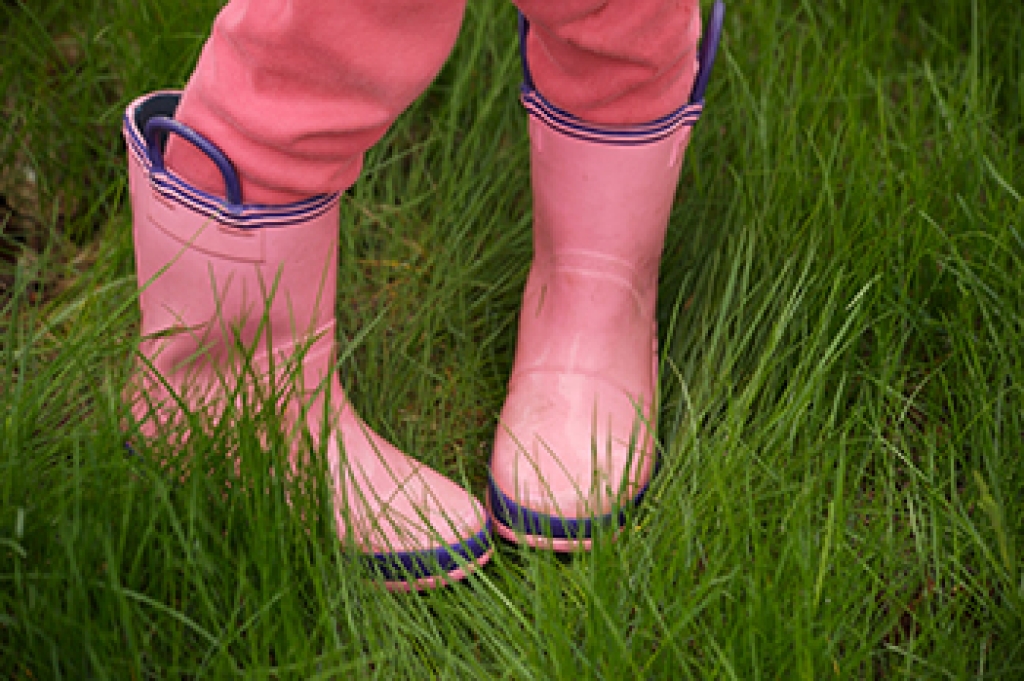
In-toeing is a walking pattern in which the feet turn inward instead of pointing straight ahead. One common cause is metatarsus adductus. This condition develops in infancy when the foot is positioned inward while in the uterus. It can also appear later in childhood due to inward twisting of the shinbone. This may give the appearance of the toes pointing toward each other during walking. Risk factors include family history and developmental positioning. Symptoms include frequent tripping, uneven walking, or noticeable inward foot alignment. Many cases improve with growth, but some may need evaluation. A podiatrist can assess walking patterns and recommend guidance or treatment if needed. If you notice signs of in-toeing in your child, it is suggested that you consult a podiatrist who can help you to monitor this condition while supporting comfortable movement.
Making sure that your children maintain good foot health is very important as they grow. If you have any questions, contact one of our podiatrists of North Florida Foot & Ankle Center. our doctors can provide the care you need to keep you pain-free and on your feet.
Keeping Children's Feet Healthy
Having healthy feet during childhood can help prevent medical problems later in life, namely in the back and legs. As children grow, their feet require different types of care. Here are some things to consider...
Although babies do not walk yet, it is still very important to take care of their feet.
Avoid putting tight shoes or socks on his or her feet.
Allow the baby to stretch and kick his or her feet to feel comfortable.
As a toddler, kids are now on the move and begin to develop differently. At this age, toddlers are getting a feel for walking, so don’t be alarmed if your toddler is unsteady or ‘walks funny’.
As your child gets older, it is important to teach them how to take care of their feet.
Show them proper hygiene to prevent infections such as fungus.
Be watchful for any pain or injury.
Have all injuries checked by a doctor as soon as possible.
Comfortable, protective shoes should always be worn, especially at play.
If you have any questions, please feel free to contact our office located in Ponte Vedra, FL . We offer the newest diagnostic and treatment technologies for all your foot care needs.
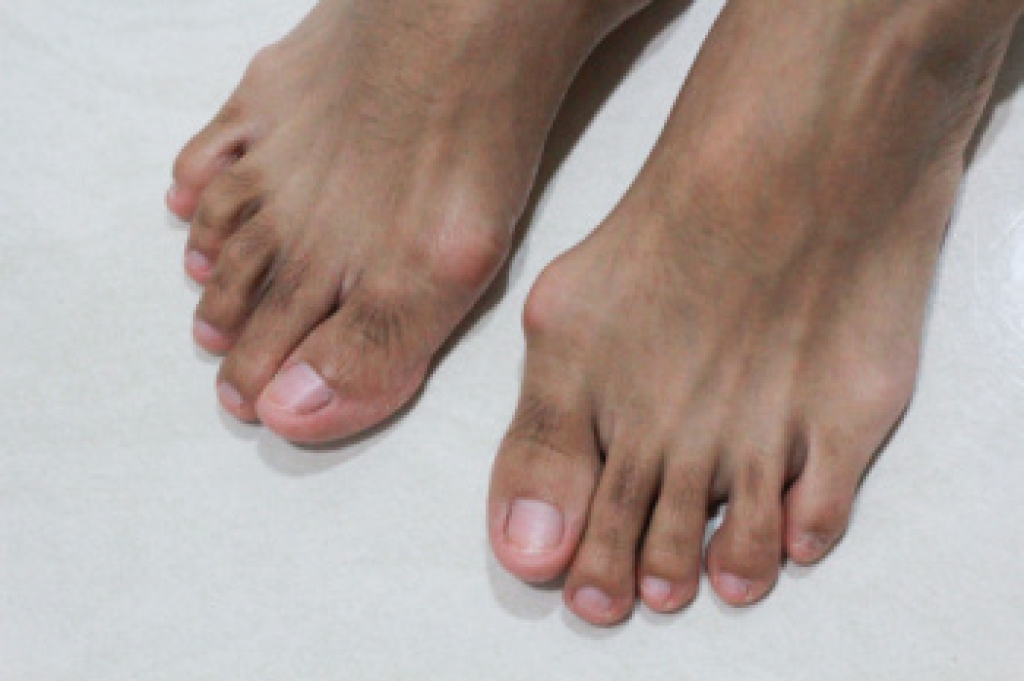
Bunions and bunionettes are bony growths that develop at the joints of the toes, often causing discomfort and changes in foot shape. A bunion forms at the base of the big toe, while a bunionette occurs at the base of the fifth toe. These areas may look swollen, red, or enlarged, and can feel sore with pressure from shoes or walking. The affected toes may shift out of alignment, leading to crowding or rubbing against neighboring toes. Common causes include inherited foot structure, wearing improper footwear, and repetitive stress on the joints. A podiatrist can evaluate alignment, assess joint movement, and use imaging to determine severity. Treatment may include wearing wider footwear, padding, and targeted exercises to reduce discomfort and slow progression. In more advanced cases, surgery may be considered. If you have a painful bunion or bunionette, it is suggested that you schedule an appointment with a podiatrist for appropriate relief and management tips.
If you are suffering from bunions, contact one of our podiatrists of North Florida Foot & Ankle Center. our doctors can provide the care you need to keep you pain-free and on your feet.
What Is a Bunion?
A bunion is formed of swollen tissue or an enlargement of boney growth, usually located at the base joint of the toe that connects to the foot. The swelling occurs due to the bones in the big toe shifting inward, which impacts the other toes of the foot. This causes the area around the base of the big toe to become inflamed and painful.
Why Do Bunions Form?
Genetics – Susceptibility to bunions are often hereditary
Stress on the feet – Poorly fitted and uncomfortable footwear that places stress on feet, such as heels, can worsen existing bunions
How Are Bunions Diagnosed?
Podiatrists often perform two tests – blood tests and x-rays – when trying to diagnose bunions, especially in the early stages of development. Blood tests help determine if the foot pain is being caused by something else, such as arthritis, while x-rays provide a clear picture of your bone structure to your provider.
How Are Bunions Treated?
If you have any questions, please feel free to contact our office located in Ponte Vedra, FL . We offer the newest diagnostic and treatment technologies for all your foot care needs.
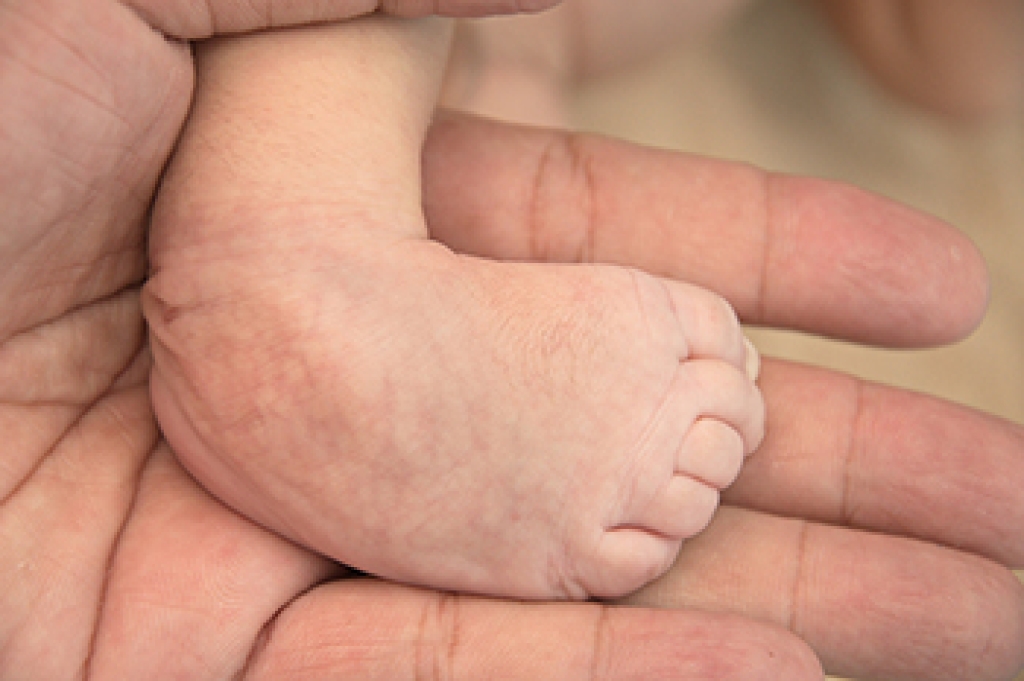
Some children are born with or develop foot alignment conditions that affect how the foot looks and functions. Clubfoot is a condition where the foot turns inward and downward, often requiring early treatment to guide proper positioning. Metatarsus adductus is another condition where the front part of the foot curves inward, giving it a bean-like shape. These conditions can vary in severity, and while some improve as a child grows, others need medical care to prevent long-term problems. Parents may notice unusual foot shape, uneven walking, or difficulty fitting shoes properly. Early evaluation is important to support normal development and movement. A podiatrist can assess the structure of the foot, monitor growth, and recommend treatments such as stretching, bracing, or other interventions if needed.If your child has an unusual foot shape or walking pattern, it is suggested that you seek care from a podiatrist.
Congenital foot problems require immediate attention to avoid future complications. If you have any concerns, contact one of our podiatrists of North Florida Foot & Ankle Center. our doctors can provide the care you need to keep you pain-free and on your feet.
Congenital foot problems are deformities affecting the feet, toes, and/or ankles that children are born with. Some of these conditions have a genetic cause while others just happen. Some specific foot ailments that children may be born with include clubfeet, polydactyly/macrodactyly, and cleft foot. There are several other foot anomalies that can occur congenitally. What all of these conditions have in common is that a child may experience difficulty walking or performing everyday activities, as well as trouble finding footwear that fits their foot deformity. Some of these conditions are more serious than others. Consulting with a podiatrist as early as possible will help in properly diagnosing a child’s foot condition while getting the necessary treatment underway.
What are Causes of Congenital Foot Problem?
A congenital foot problem is one that happens to a child at birth. These conditions can be caused by a genetic predisposition, developmental or positional abnormalities during gestation, or with no known cause.
What are Symptoms of Congenital Foot Problems?
Symptoms vary by the congenital condition. Symptoms may consist of the following:
Treatment and Prevention
While there is nothing one can do to prevent congenital foot problems, raising awareness and receiving neonatal screenings are important. Early detection by taking your child to a podiatrist leads to the best outcome possible.
If you have any questions, please feel free to contact our office located in Ponte Vedra, FL . We offer the newest diagnostic and treatment technologies for all your foot care needs.
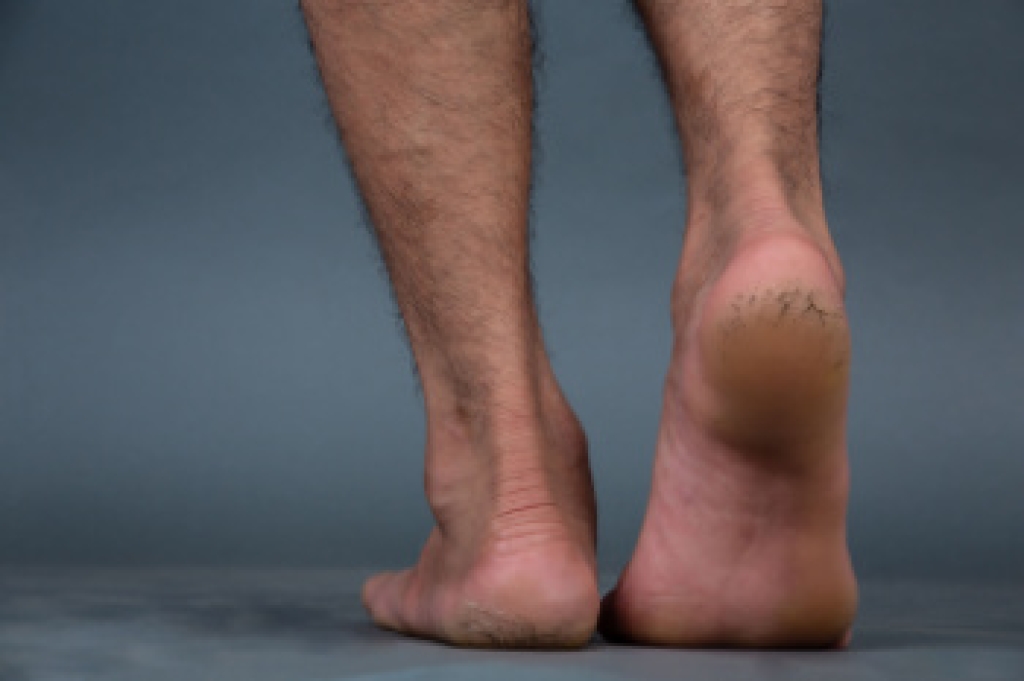
Heel fissures are cracks in thickened skin on the heels that can become painful if not treated. The skin in these areas is often drier and less flexible than healthy skin, which makes it more likely to split under pressure. Research shows that this type of thickened skin behaves differently from normal skin, especially in how it holds moisture and stretches. These differences can help guide care. In some cases, heel calluses and fissures can be grouped based on how hydrated and elastic the skin is, even when the surface feels similar. Dry, stiff skin is more prone to cracking, especially with standing, walking, or wearing open-back shoes. Regular moisturizing and proper foot support can help prevent worsening. If cracks become deep, painful, or do not improve, it is suggested you schedule an appointment with a podiatrist for appropriate care.
Cracked heels are unsightly and can cause further damage to your shoes and feet. If you have any concerns, contact one of our podiatrists from North Florida Foot & Ankle Center. our doctors can provide the care you need to keep you pain-free and on your feet.
Cracked Heels
Cracked heels appear unappealing and can make it harder for you walk around in sandals. Aside from looking unpleasant, cracked heels can also tear stockings, socks, and wear out your shoes. There are several methods to help restore a cracked heel and prevent further damage.
How Do You Get Them?
Dry skin is the number one culprit in creating cracked heels. Many athletes, walkers, joggers, and even swimmers suffer from cracked heels. Age and skin oil production play a role to getting cracked heels as well.
Promote Healing
Over the counter medicines can help, especially for those that need instant relief or who suffer from chronic dry feet.
Wear Socks – Wearing socks with medicated creams helps lock in moisture.
Moisturizers – Applying both day and night will help alleviate dryness which causes cracking.
Pumice Stones – These exfoliate and remove dead skin, which allows for smoother moisturizer application and better absorption into the skin.
Change in Diet
Eating healthy with a well-balanced diet will give the skin a fresh and radiant look. Your body responds to the kinds of food you ingest. Omega-3 fatty acids and zinc supplements can also revitalize skin tissue.
Most importantly, seek professional help if unsure how to proceed in treating cracked heels. A podiatrist will help you with any questions or information needed.
If you have any questions, please feel free to contact our office located in Ponte Vedra, FL . We offer the newest diagnostic and treatment technologies for all your foot care needs.
