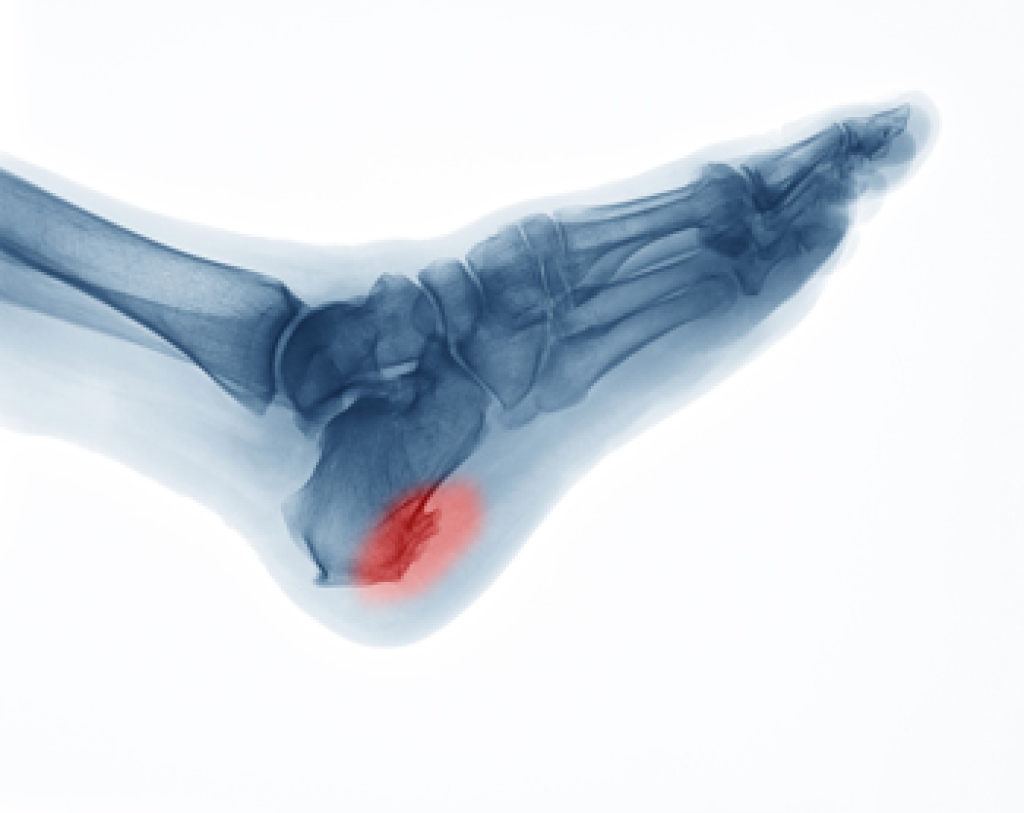
Heel spurs are bony growths that develop on the underside of the heel bone, often forming gradually due to repeated stress and strain on the foot. These calcium deposits can extend forward from the heel and may be associated with conditions such as plantar fasciitis. While some heel spurs do not cause symptoms, others lead to significant discomfort and inflammation. Understanding what heel spurs are and how they develop is essential for managing heel pain and maintaining proper foot function.
The most common symptom of a heel spur is pain at the bottom of the heel, especially during the first steps in the morning or after long periods of rest. This pain is often described as sharp or stabbing, and it may improve slightly with movement before returning after prolonged standing or walking. Inflammation, swelling, and tenderness in the heel area may also occur. Some individuals experience a deep aching sensation due to irritation of surrounding soft tissue. Heel bruising can worsen symptoms and make daily activities more difficult.
Heel spurs are commonly caused by repetitive strain on the foot, particularly from activities that place excessive pressure on the heel. Risk factors include being overweight, wearing poorly supportive footwear, and having abnormal foot mechanics such as flat feet or high arches. Arthritis and chronic inflammation can also contribute to spur formation. Athletes, runners, and individuals who stand for long periods are more prone to developing heel spurs due to repetitive stress on the plantar fascia and heel bone. Treatment for heel spurs focuses on reducing pain and inflammation while addressing the underlying cause. Conservative options include stretching exercises, wearing supportive shoes, custom orthotics, and anti-inflammatory medications. Early intervention can help prevent worsening symptoms and improve mobility. If you have heel pain or symptoms of heel spurs, it is suggested that you consult a podiatrist for an accurate diagnosis and appropriate treatment.
Heel spurs can be incredibly painful and sometimes may make you unable to participate in physical activities. To get medical care for your heel spurs, contact one of our podiatrists from North Florida Foot & Ankle Center. our doctors will do everything possible to treat your condition.
Heels Spurs
Heel spurs are formed by calcium deposits on the back of the foot where the heel is. This can also be caused by small fragments of bone breaking off one section of the foot, attaching onto the back of the foot. Heel spurs can also be bone growth on the back of the foot and may grow in the direction of the arch of the foot.
Older individuals usually suffer from heel spurs and pain sometimes intensifies with age. One of the main condition's spurs are related to is plantar fasciitis.
Pain
The pain associated with spurs is often because of weight placed on the feet. When someone is walking, their entire weight is concentrated on the feet. Bone spurs then have the tendency to affect other bones and tissues around the foot. As the pain continues, the feet will become tender and sensitive over time.
Treatments
There are many ways to treat heel spurs. If one is suffering from heel spurs in conjunction with pain, there are several methods for healing. Medication, surgery, and herbal care are some options.
If you have any questions, please feel free to contact our office located in Ponte Vedra, FL . We offer the newest diagnostic and treatment technologies for all your foot care needs.


