When the Achilles Tendon Is Injured

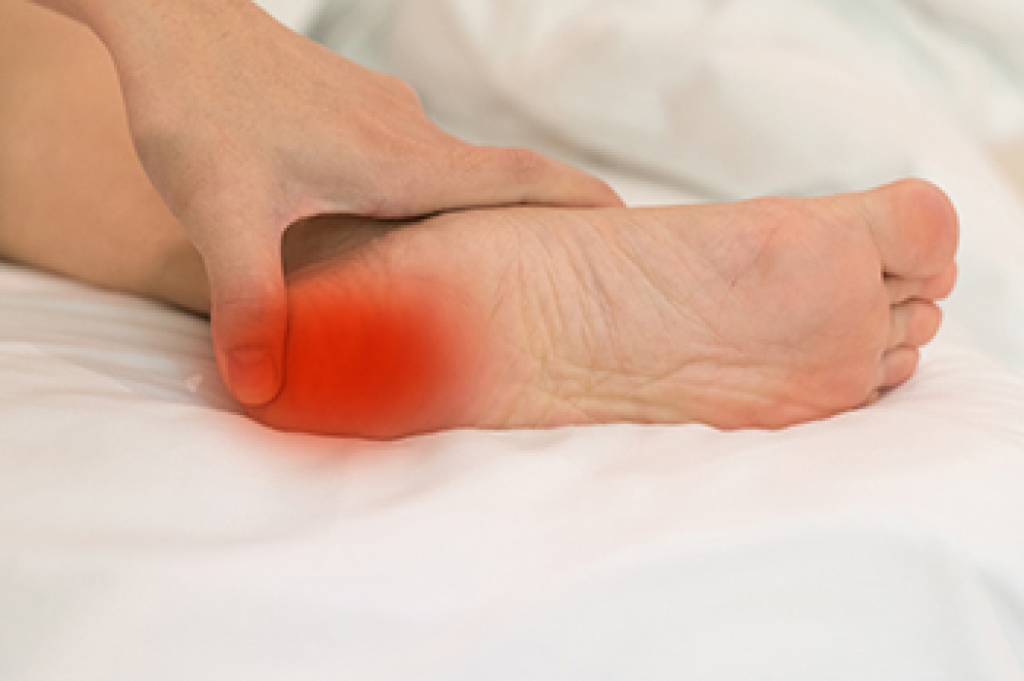
The Achilles tendon is the strong band of tissue that connects the calf muscles to the heel bone. It plays an important role in walking, running, and pushing the foot off the ground. Because it handles so much force, the tendon is vulnerable to injury. Overuse, sudden increases in activity, tight calf muscles, or poor foot mechanics can lead to irritation known as Achilles tendinitis. People may notice stiffness, swelling, or pain in the back of the heel, especially after exercise. In more severe cases, the tendon can partially tear or rupture completely. A rupture often occurs during sudden movement and may feel like a sharp pop followed by difficulty walking. Early evaluation is important because untreated injuries can worsen and affect mobility. Proper diagnosis allows for appropriate treatment, which may include immobilization, therapy, or other medical care. If you experience pain or sudden weakness in the back of the heel, it is suggested that you see a podiatrist for a proper diagnosis and appropriate treatment.

Achilles tendon injuries need immediate attention to avoid future complications. If you have any concerns, contact one of our podiatrists of North Florida Foot & Ankle Center. our doctors can provide the care you need to keep you pain-free and on your feet.

What Is the Achilles Tendon?

The Achilles tendon is a tendon that connects the lower leg muscles and calf to the heel of the foot. It is the strongest tendon in the human body and is essential for making movement possible. Because this tendon is such an integral part of the body, any injuries to it can create immense difficulties and should immediately be presented to a doctor.

What Are the Symptoms of an Achilles Tendon Injury?

There are various types of injuries that can affect the Achilles tendon. The two most common injuries are Achilles tendinitis and ruptures of the tendon.

Achilles Tendinitis Symptoms

  • Inflammation
  • Dull to severe pain
  • Increased blood flow to the tendon
  • Thickening of the tendon

Rupture Symptoms

  • Extreme pain and swelling in the foot
  • Total immobility

Treatment and Prevention

Achilles tendon injuries are diagnosed by a thorough physical evaluation, which can include an MRI. Treatment involves rest, physical therapy, and in some cases, surgery. However, various preventative measures can be taken to avoid these injuries, such as:

  • Thorough stretching of the tendon before and after exercise
  • Strengthening exercises like calf raises, squats, leg curls, leg extensions, leg raises, lunges, and leg presses

If you have any questions please feel free to contact our office located in Ponte Vedra, FL . We offer the newest diagnostic tools and technology to treat your foot and ankle needs.

Read more about What are Achilles Tendon Injuries

Gout and the Health Conditions That Often Accompany It

Gout is a painful inflammatory joint condition caused by a buildup of uric acid crystals in the joints. The big toe is commonly affected, but gout can also involve the foot, ankle, and other joints. While the sudden joint pain often receives the most attention, gout is frequently linked with other health concerns that can affect overall well-being. These related conditions are known as comorbidities. People with gout may also have high blood pressure, kidney disease, diabetes, or obesity. Over time, untreated gout can lead to additional complications such as joint damage, chronic inflammation, and firm deposits of uric acid crystals called tophi that form under the skin. Repeated flare-ups may also limit mobility and daily activity. Managing gout early helps reduce the risk of long-term joint damage and other health complications. When recurring foot or ankle pain suggests gout, evaluation by a podiatrist is suggested for a diagnosis and appropriate treatment.

Gout is a foot condition that requires certain treatment and care. If you are seeking treatment, contact one of our podiatrists from North Florida Foot & Ankle Center. our doctors will treat your foot and ankle needs.

What Is Gout?

Gout is a type of arthritis caused by a buildup of uric acid in the bloodstream. It often develops in the foot, especially the big toe area, although it can manifest in other parts of the body as well. Gout can make walking and standing very painful and is especially common in diabetics and the obese.

People typically get gout because of a poor diet. Genetic predisposition is also a factor. The children of parents who have had gout frequently have a chance of developing it themselves.

Gout can easily be identified by redness and inflammation of the big toe and the surrounding areas of the foot. Other symptoms include extreme fatigue, joint pain, and running high fevers. Sometimes corticosteroid drugs can be prescribed to treat gout, but the best way to combat this disease is to get more exercise and eat a better diet.

If you have any questions, please feel free to contact our office located in Ponte Vedra, FL . We offer the newest diagnostic and treatment technologies for all your foot care needs.

Read more about Everything You Need to Know About Gout

Heel Pain in Growing Children and What It May Mean

Heel discomfort in children is surprisingly common, especially during growth spurts when the bones, muscles, and tendons develop at different speeds. One of the most frequent causes is irritation of the growth plate at the back of the heel, often called Sever’s disease. This condition can create soreness during activity, stiffness after rest, or limping during sports. Tight calf muscles, flat feet, high arches, and wearing worn-out shoes can add extra strain to the heel, making symptoms more noticeable. Because kids are often active and may not slow down when something hurts, the irritation can worsen without guidance. A podiatrist can evaluate the child’s foot structure, activity level, and gait to determine the exact cause of the pain. Treatment may include activity modification, stretching, wearing supportive footwear, or orthotic devices that reduce pressure on the heel. If your child’s heel pain persists, affects sports participation, or causes limping, it is suggested that you see a podiatrist for a proper assessment and appropriate care.

Sever's disease often occurs in children and teens. If your child is experiencing foot or ankle pain, see one of our podiatrists from North Florida Foot & Ankle Center. our doctors can treat your child’s foot and ankle needs.

Sever’s Disease

Sever’s disease is also known as calcaneal apophysitis, which is a medical condition that causes heel pain I none or both feet. The disease is known to affect children between the ages of 8 and 14.

Sever’s disease occurs when part of the child’s heel known as the growth plate (calcaneal epiphysis) is attached to the Achilles tendon. This area can suffer injury when the muscles and tendons of the growing foot do not keep pace with bone growth. Therefore, the constant pain which one experiences at the back of the heel will make the child unable to put any weight on the heel. The child is then forced to walk on their toes.

Symptoms

Acute pain – Pain associated with Sever’s disease is usually felt in the heel when the child engages in physical activity such as walking, jumping and or running.

Highly active – Children who are very active are among the most susceptible in experiencing Sever’s disease, because of the stress and tension placed on their feet.

If you have any questions, please feel free to contact our office located in Ponte Vedra, FL . We offer the newest diagnostic and treatment technologies for all your foot care needs.

Read more about Sever's Disease

Symptoms of Morton’s Neuroma

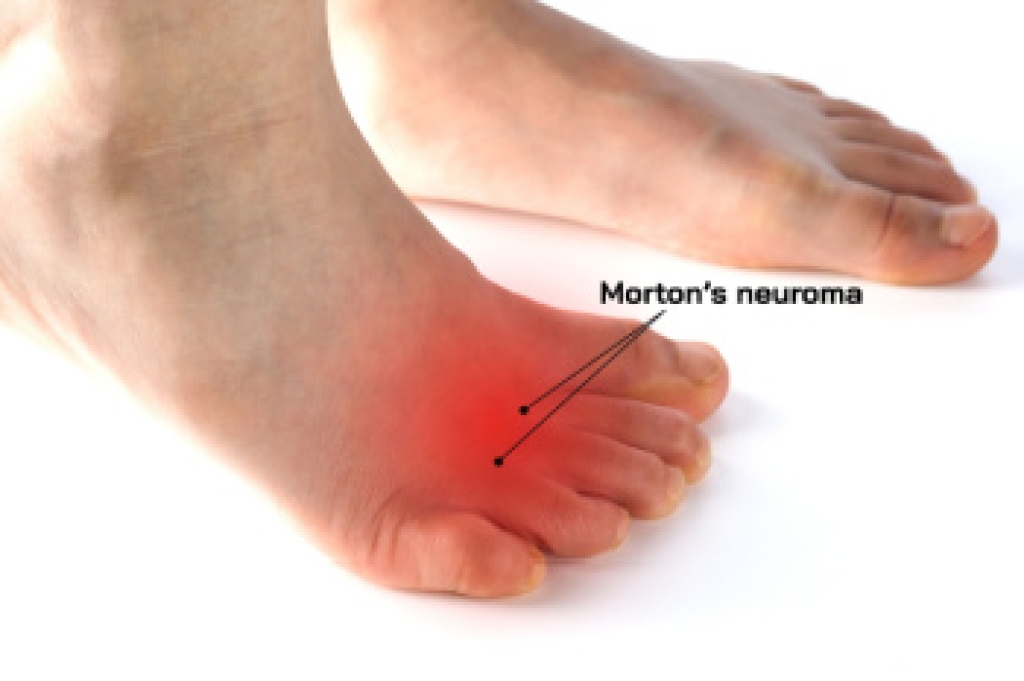
Morton’s neuroma is a condition in which the nerve between the metatarsal bones becomes thickened from repeated compression and irritation. It most often develops between the third and fourth toes and is commonly seen in individuals who wear narrow shoes or participate in high impact activities. Rather than visible swelling, the primary complaint is nerve-related pain. Patients frequently describe electric, shooting discomfort in the ball of the foot, along with tingling or numbness in the toes. Some feel as though their sock is bunched up or that they are stepping on a small object. Symptoms may worsen with prolonged walking and improve when shoes are removed. A podiatrist can identify the affected area through examination and specific pressure testing, and imaging may be used to confirm the diagnosis. Treatment may include footwear changes, custom orthotics, anti-inflammatory care, or injections to calm the nerve. If you suspect you may have Morton’s neuroma, it is suggested that you make an appointment with a podiatrist for proper evaluation and treatment.

Morton’s neuroma is a very uncomfortable condition to live with. If you think you have Morton’s neuroma, contact one of our podiatrists of North Florida Foot & Ankle Center. our doctors will attend to all of your foot care needs and answer any of your related questions.  

Morton’s Neuroma

Morton's neuroma is a painful foot condition that commonly affects the areas between the second and third or third and fourth toe, although other areas of the foot are also susceptible. Morton’s neuroma is caused by an inflamed nerve in the foot that is being squeezed and aggravated by surrounding bones.

What Increases the Chances of Having Morton’s Neuroma?

  • Ill-fitting high heels or shoes that add pressure to the toe or foot
  • Jogging, running or any sport that involves constant impact to the foot
  • Flat feet, bunions, and any other foot deformities

Morton’s neuroma is a very treatable condition. Orthotics and shoe inserts can often be used to alleviate the pain on the forefront of the feet. In more severe cases, corticosteroids can also be prescribed. In order to figure out the best treatment for your neuroma, it’s recommended to seek the care of a podiatrist who can diagnose your condition and provide different treatment options.

If you have any questions, please feel free to contact our office located in Ponte Vedra, FL . We offer the newest diagnostic and treatment technologies for all your foot care needs.

Read more about Morton's Neuroma

A Hidden Nerve Problem That Can Cause Tingling Feet

Tarsal tunnel syndrome occurs when a major nerve on the inside of the ankle becomes compressed as it travels into the foot. This pressure can create tingling, burning, numbness, or sharp discomfort that may radiate into the arch, heel, or toes. Symptoms often feel worse after long periods of standing or walking, and some people notice relief only when they rest. Because the nerve sits in a tight space surrounded by ligaments and bone, anything that increases swelling or strain in the area can trigger irritation, including flat feet, prior injury, or certain medical conditions. Ignoring these sensations can lead to ongoing instability or increasing sensitivity in the foot. Early care focuses on reducing pressure, improving support, and calming inflammation to protect the nerve. If the tingling or burning continues or begins to affect your daily routine, it is suggested that you see a podiatrist for an accurate diagnosis and targeted treatment.

Tarsal tunnel syndrome can be very uncomfortable to live with. If you are experiencing tarsal tunnel syndrome, contact one of our podiatrists of North Florida Foot & Ankle Center. our doctors can provide the care you need to keep you pain-free and on your feet.

Tarsal Tunnel Syndrome

Tarsal tunnel syndrome, which can also be called tibial nerve dysfunction, is an uncommon condition of misfiring peripheral nerves in the foot. The tibial nerve is the peripheral nerve in the leg responsible for sensation and movement of the foot and calf muscles. In tarsal tunnel syndrome, the tibial nerve is damaged, causing problems with movement and feeling in the foot of the affected leg.

Common Cause of Tarsal Tunnel Syndrome

  • Involves pressure or an injury, direct pressure on the tibial nerve for an extended period of time, sometimes caused by other body structures close by or near the knee.
  • Diseases that damage nerves, including diabetes, may cause tarsal tunnel syndrome.
  • At times, tarsal tunnel syndrome can appear without an obvious cause in some cases.

The Effects of Tarsal Tunnel Syndrome

  • Different sensations, an afflicted person may experience pain, tingling, burning or other unusual sensations in the foot of the affected leg.
  • The foot muscles, toes and ankle become weaker, and curling your toes or flexing your foot can become difficult.
  • If condition worsens, infections and ulcers may develop on the foot that is experiencing the syndrome.

A physical exam of the leg can help identify the presence of tarsal tunnel syndrome. Medical tests, such as a nerve biopsy, are also used to diagnose the condition. Patients may receive physical therapy and prescriptive medication. In extreme cases, some may require surgery.

If you have any questions please contact our office located in Ponte Vedra, FL . We offer the newest diagnostic and treatment technologies for all your foot and ankle needs.

Read more about Tarsal Tunnel Syndrome
scroll to top